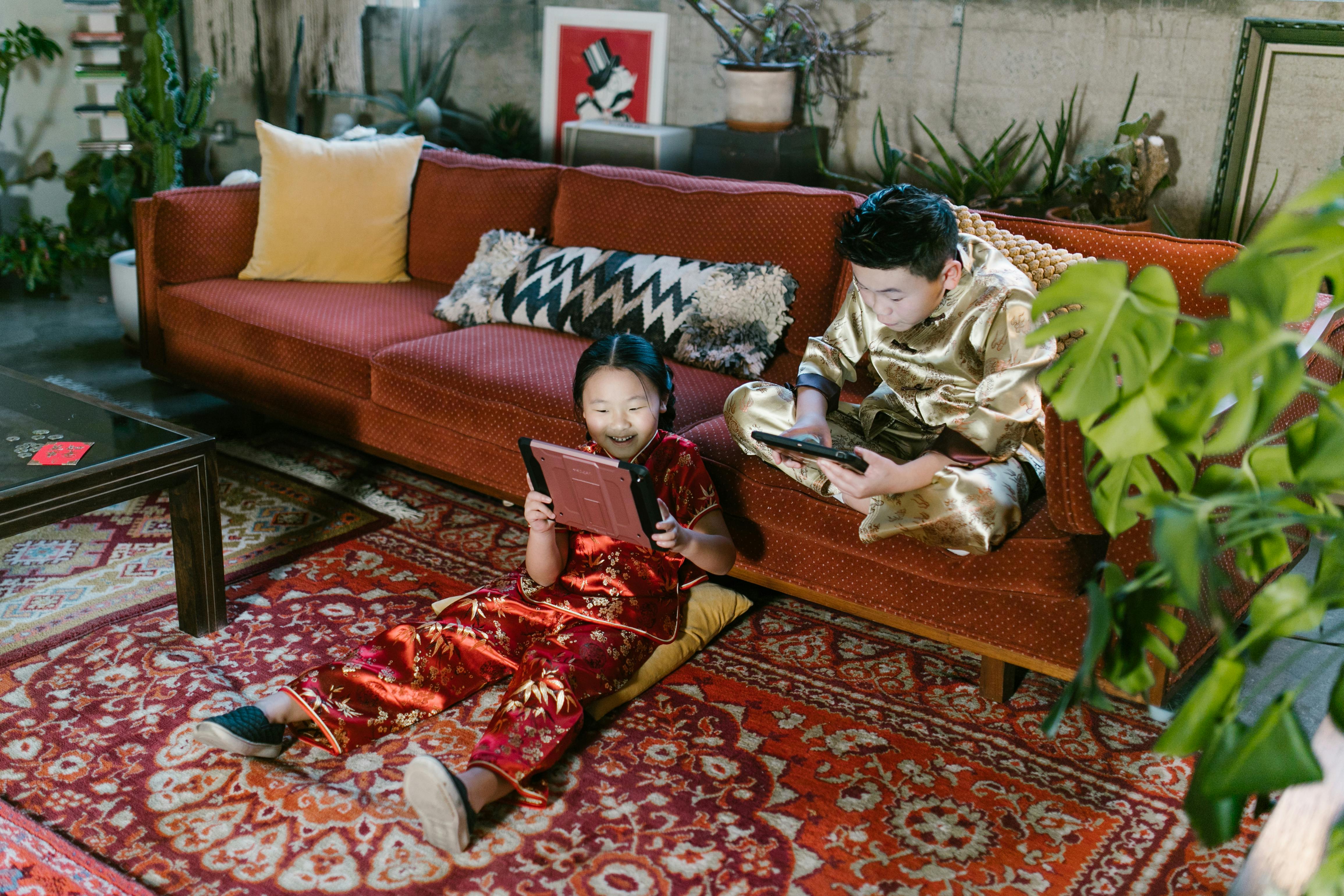
Family & Co-Parenting · Blended Families · Step-Sibling Dynamics
Two sets of kids, two sets of rules, two sets of history — and now one shared roof. Blending a family is one of the hardest, most quietly courageous things a rebuilding family can do.
Family researchers who study blended households consistently find that it takes an average of several years — commonly cited estimates range from two to seven — for a blended family to fully integrate into a cohesive unit, not months. If your combined family still feels more like a supervised truce than a team eighteen months in, that's not a sign you're doing it wrong. That's the actual, well-documented timeline for what you're attempting, and it's worth knowing that going in, because the pressure to feel "like a real family" immediately is one of the most common sources of unnecessary blended-family guilt.
Bringing two sets of children together — with different rules, different histories, different attachments to their respective parents, and often different ages and temperaments — is genuinely one of the more complex family structures to build well. It deserves real patience, realistic expectations, and specific strategy, not just good intentions and hope.
This guide is for the messy middle: the sibling friction, the "you're not my real sister" moments, the exhausting refereeing, and the slow, real progress that's actually happening even when it doesn't feel like it.
The single most protective thing you can do for your own mental health during this process is release the expectation that your blended family should feel unified quickly, or that step-siblings should naturally like each other simply because the adults in their lives are together. Some step-sibling relationships do become genuinely close, sometimes even closer than biological sibling relationships — and many others settle into a respectful, low-drama coexistence without ever becoming best friends, which is a completely successful outcome.
Judging your family's progress against an unrealistic "instant blended family" ideal — often absorbed from media — will make normal friction feel like failure. Judging it against the real, multi-year timeline most blended families actually experience lets you recognize genuine progress when it happens, even in small, unglamorous forms.
Step-sibling friction is rarely really about the specific thing being fought over — a shared bathroom, a video game, a seat in the car. Underneath, it's usually one of a few things: grief over a family structure that no longer exists in its old form, anxiety about status or fairness ("do you love your real kid more?"), or a very human territorial response to suddenly sharing space, attention, and a parent with relative strangers.
Naming this to yourself as the parent changes how you respond. A fight over the remote control handled as "this is about the remote" gets you nowhere. The same fight, understood as "this is partly about feeling secure in a household that changed without their consent," lets you address the real thing underneath, even if you don't say that explicitly to a nine-year-old in the moment.
Nothing damages blended family trust faster than a real or perceived double standard between biological children and stepchildren. Kids notice inconsistency instantly and remember it for years — if your child gets a lighter consequence than your partner's child for the same behavior, or vice versa, it becomes evidence in an ongoing, often unspoken case each child is quietly building about whether they truly belong in this family.
This doesn't mean every child needs identical treatment regardless of age or circumstance — it means the principles behind consequences and privileges need to be consistent and explainable. It's worth having an explicit conversation with your partner, away from the kids, about house rules and consequences before conflicts arise, rather than improvising differently each time under pressure.
(For the co-parenting side of how rules and consistency work across two original households too, see Co-Parenting vs. Parallel Parenting — many of the same consistency principles apply here.)
One of the most common quiet griefs in blending a family is a child feeling like they've "lost" undivided access to their parent — now shared with a partner and, often, new step-siblings. Protecting regular, predictable one-on-one time with your own biological children, even just twenty minutes of full attention a few times a week, does enormous work in preventing this from calcifying into resentment.
This isn't disloyal to your new partner or the blended household — it's a necessary parallel track. A child who still reliably gets their parent's undivided attention has far more capacity to tolerate the adjustments blending requires than one who feels quietly replaced.
A well-reviewed book on blended family dynamics can give you language and frameworks for exactly this stage — useful for both partners to read together.
As She Rebuilds™ may earn a commission from resources linked here, at no extra cost to you.
Mandatory "family bonding" activities, especially early on, often backfire, because they put pressure on relationships that haven't earned organic connection yet. A better approach: build in low-pressure, repeated shared experiences — a weekly family dinner, a regular game night, a shared household task — where kids are simply present together without being told to bond, and let actual connection develop at whatever pace it develops, if it does.
Some step-siblings become close only after years of this kind of low-key proximity. Others remain more like polite housemates well into adulthood, and both outcomes are within the range of healthy. What matters more than closeness is basic respect — and respect can be a household requirement even when warmth isn't yet, or ever, present.
(For the traditions side of building shared family identity without forcing it, see Building New Family Traditions After Divorce — many of the same principles apply to blended sibling groups specifically.)
Some kids process blended-family adjustment loudly, through visible conflict. Others go quiet, withdraw, or seem to be "handling it fine" while struggling internally in ways that are easy to miss under the noise of more visibly difficult siblings. It's worth checking in individually and specifically with quieter kids in the mix, who can otherwise get overlooked simply because they're not generating obvious problems.
If you notice sustained withdrawal, changes in school performance, or a child who seems to have simply stopped engaging with the family unit altogether, that's worth more focused attention and possibly professional support — Signs Your Child Is Struggling After Divorce covers warning signs that apply just as directly to blended-family adjustment as to the original divorce transition.
What matters more than closeness: basic, non-negotiable respect between everyone in the household. Warmth can grow on its own timeline — respect is the household standard from day one.
Support For Building a Blended Family That Actually Works
A guided, comprehensive $1,997 program for rebuilding your identity, confidence, and stability after divorce — including real frameworks for navigating the complexity of blended family life with patience and clarity.
Explore Life Refined™ Signature Reset → Or explore As She Rebuilds™ courses →
Jennifer built As She Rebuilds™ from lived experience navigating divorce — financially, emotionally, and personally. She helps women move from survival mode into stability, clarity, and renewed purpose. Learn more →